
Introduction: Simplify Your Journey with the India eVisa
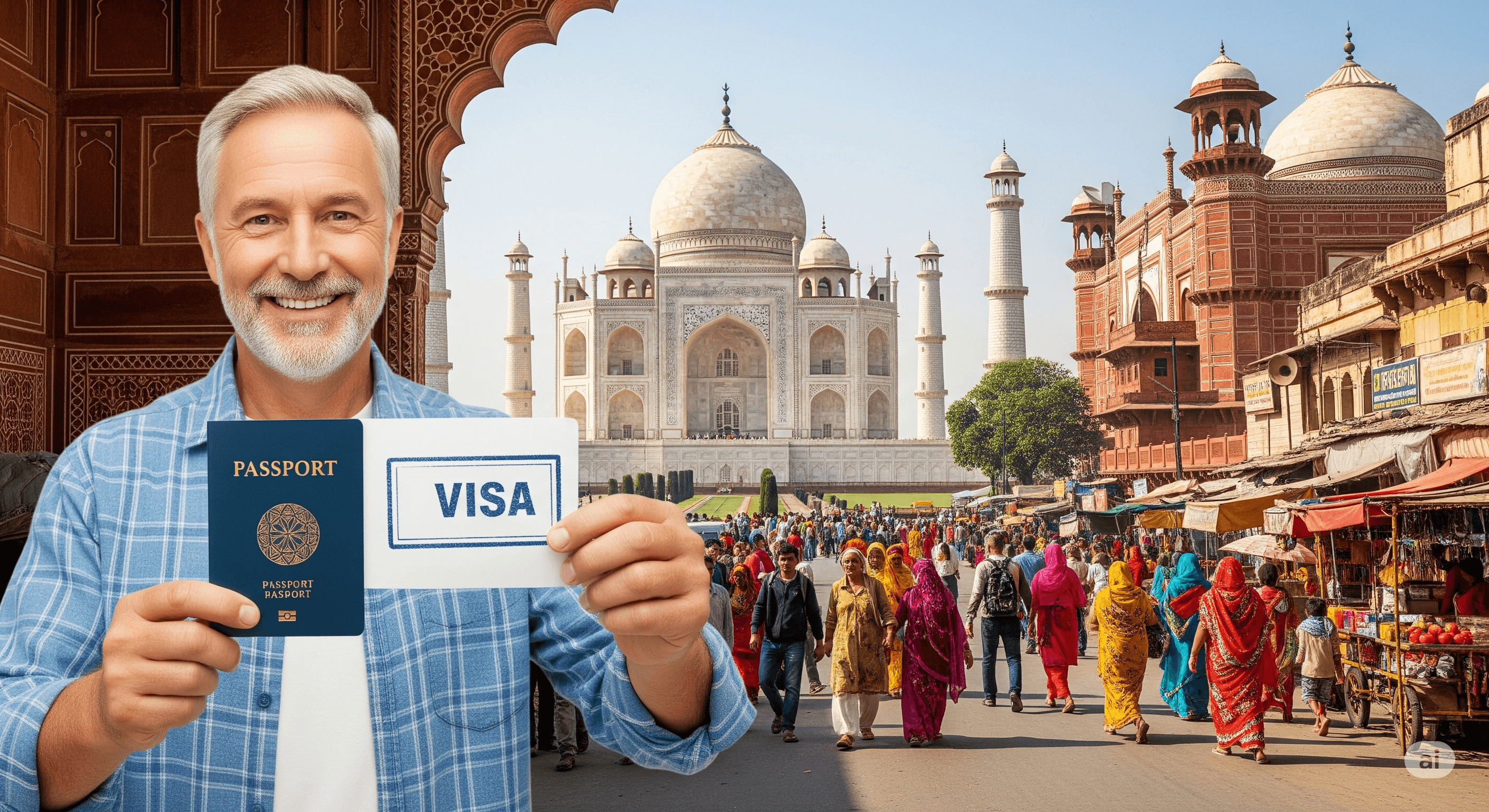
India is a land of endless contrasts—a country where ancient traditions coexist with modern innovations, and where vibrant cultural festivals blend with serene landscapes. From the awe‑inspiring Taj Mahal and the bustling bazaars of Delhi to the tranquil backwaters of Kerala and the majestic forts of Rajasthan, India offers an unparalleled experience for every traveler.
For those who dream of exploring India’s diverse regions—whether to absorb its history, enjoy its culinary delights, or pursue business opportunities—the process of obtaining a visa can often seem daunting. Thankfully, the India eVisa has revolutionized this process. No more endless paperwork, tedious embassy visits, or long waiting periods. With the eVisa system, travelers can apply online, receive approval within days, and start their journey with ease.
This guide is your ultimate resource for everything you need to know about the India eVisa. In the following sections, we’ll explore who is eligible, discuss processing times and costs, break down the various types of eVisas available, and provide a detailed step‑by‑step guide on how to apply. We’ll also share essential tips for a smooth application process, answer frequently asked questions, and offer additional insights into travel regulations and best practices. By the end of this guide, you’ll be fully equipped with the knowledge you need to secure your India eVisa and embark on a hassle‑free adventure.
Who Can Apply for the India eVisa? – Are You Eligible?
The India eVisa is designed to simplify travel for millions of international visitors. It is available to citizens of over 160 countries, making it one of the most accessible visa programs in the world. However, before you begin your application, it’s important to understand the eligibility criteria to ensure a smooth process.
Eligibility Requirements
- Valid Passport:
Your passport must be valid for at least six months from your intended arrival date in India. A passport with sufficient blank pages is also required to accommodate visa stamps. - Purpose of Visit:
The India eVisa is issued for multiple purposes. It is available for tourism, business, medical treatment, and even for attending conferences. However, each purpose has its own specific requirements, so ensure you select the correct visa type that aligns with your travel intentions. - Nationality:
The eVisa is available to travelers from most regions including Europe, North America, Asia, Australia, and parts of Africa. Before applying, check the official India eVisa website to verify that your country is eligible. Some nationalities might have additional conditions or limitations. - Approved Entry Points:
You must enter India through one of the designated airports or seaports that accept the eVisa. These entry points are listed on the official website, and failure to comply may result in denied entry. - Sufficient Funds:
Applicants must be able to demonstrate that they have sufficient funds to cover their stay in India. This can be shown through bank statements, credit card limits, or other financial proofs as required by immigration officers upon arrival. - No Criminal Record:
The India eVisa is generally not issued to applicants with a history of visa violations, serious criminal offenses, or other legal complications. A clean travel record helps ensure smooth processing.
Special Conditions for Certain Countries
Some countries have bilateral agreements with India, which can result in special benefits such as longer visa validity or the possibility of multiple entries. If you are a citizen of one of these nations, you might enjoy enhanced privileges under the eVisa program. Always review the latest guidelines provided by the Indian immigration authorities for your specific nationality.
In summary, if you possess a valid passport, plan to visit India for a recognized purpose, and meet all the criteria above, you are eligible to apply for the India eVisa. This streamlined process eliminates many of the traditional barriers to travel, allowing you to focus on planning your trip rather than dealing with bureaucratic delays.
Processing Time for the India eVisa – How Fast Can You Get It?
One of the standout features of the India eVisa is its speedy processing time. Unlike traditional visa applications that can take weeks or even months, the eVisa process is designed to be quick and efficient, ensuring you get your visa in time for your trip.
Standard Processing Time
- 3 to 5 Business Days:
For most applicants, the standard processing time for an India eVisa is between three to five business days. This timeline allows for thorough verification of your submitted details and documents without undue delay. - Early Application Recommended:
It is advisable to apply at least 7-10 days before your planned departure. This buffer period helps account for any unforeseen delays or additional documentation requests.
Expedited Processing Option
For travelers who are in a hurry, India offers an expedited processing option:
- Fast‑Track Service:
If you need your visa urgently—say, for a last‑minute business trip or emergency travel—the fast‑track service can process your application within 24 to 48 hours. - Additional Fees:
Expedited processing comes at an extra cost. Depending on your nationality and the urgency of your application, fees can range from $25 to $150. The exact cost will be displayed during the application process.
Peak Season and Its Impact
During peak travel seasons, such as during major festivals like Diwali and Holi or the summer vacation period, the volume of applications may increase. This surge can occasionally result in longer processing times. To ensure a stress‑free experience, it is recommended to:
- Apply Well in Advance:
Submit your application early, ideally several weeks before your intended travel date during peak periods. - Monitor Your Email:
Keep an eye on your email for any communication from the visa authorities regarding additional documentation or clarification.
Common Application Mistakes That Cause Delays
Processing delays often occur due to preventable mistakes. Here are some common errors to avoid:
- Incorrect Passport Details:
Even minor discrepancies between your passport information and your application can result in delays or outright rejection. - Poor-Quality Photos:
Ensure your passport photo meets all the required specifications. Blurry or improperly formatted photos can trigger additional requests for re-submission. - Incomplete Forms:
Double-check that every field is filled out accurately. Incomplete information may result in your application being put on hold.
By understanding these factors and preparing your application carefully, you can minimize the risk of delays and receive your India eVisa within the promised timeframe.
Cost of the India eVisa – How Much Will It Cost?
The cost of obtaining an India eVisa is one of its most attractive features. It is designed to be affordable and straightforward, with fees varying based on the type of visa and processing speed you choose.
Standard eVisa Fees
- Range:
For most applicants, the standard eVisa fee ranges from $10 to $100. The exact fee depends on your nationality and the specific visa type (e.g., tourist, business, or medical). - Processing Time:
This fee typically covers a processing period of 3-5 business days. It is designed to be cost‑effective while providing a smooth service.
Expedited eVisa Fees
- Faster Processing:
If you opt for expedited processing, which delivers your visa in 24-48 hours, you will incur additional charges. This option is ideal for last‑minute travelers. - Fee Range:
The expedited service fee can range from $25 to $150, depending on the urgency and your nationality.
Payment Methods
Payments for the India eVisa are handled entirely online. The system supports various payment methods, including:
- Credit Cards and Debit Cards:
Visa, MasterCard, and other major cards are accepted. - Net Banking:
You can also complete the payment using secure net banking options.
All transactions are processed using secure encryption protocols, ensuring that your financial information remains protected throughout the process.
Avoiding Hidden Charges
It is essential to be cautious when dealing with third‑party visa agencies. Some agencies may add extra service fees or hidden charges on top of the standard government fees. To avoid this, always use the official India eVisa website for your application. This not only saves money but also ensures that you receive the correct visa without any fraudulent practices.
Types of India eVisas – Which One Should You Apply For?
The India eVisa is available in multiple categories to accommodate various travel purposes. Each category has its own set of requirements and benefits, so choosing the right one is crucial for a successful application.
- Tourist eVisa:
Designed for leisure travelers, this visa allows you to explore India’s rich cultural heritage, historical sites, and natural beauty. It is perfect for sightseeing, vacations, and visits with friends or family. - Business eVisa:
This visa caters to professionals who intend to attend conferences, trade fairs, or business meetings in India. It simplifies the process of short‑term business travel, allowing you to focus on your professional engagements. - Medical eVisa:
For those seeking medical treatment in India, the medical eVisa is designed to facilitate quick access to world‑class healthcare facilities. This visa is typically valid for 60 days and may allow triple entry, ensuring that patients and their attendants can travel as needed. - Medical Attendant eVisa:
If you are accompanying a patient traveling on a medical eVisa, you can apply for the medical attendant eVisa. This category is specifically designed to support those who need to travel with a patient for medical purposes. - Conference eVisa:
For travelers attending government‑approved conferences or seminars, the conference eVisa provides a dedicated solution that streamlines the application process and ensures timely approval.
Each visa type has specific eligibility criteria and required documents. It is important to choose the category that best matches your travel purpose to avoid processing delays or complications.
How to Apply for the India eVisa – A Detailed Step‑by‑Step Guide
Applying for the India eVisa is a straightforward process that you can complete entirely online. Below is a detailed, step‑by‑step guide to help you navigate the application process successfully:
- Visit the Official India eVisa Portal:
Begin by navigating to the official India eVisa website. Ensure that you are on the government‑approved site to avoid any fraudulent charges. - Select Your Visa Type:
Depending on your travel purpose, choose the appropriate eVisa category (Tourist, Business, Medical, Medical Attendant, or Conference). Read the guidelines for your selected category to understand the specific requirements. - Fill in the Application Form:
Complete the online application form by providing accurate personal details, passport information, and travel plans. Double‑check all fields to ensure there are no errors, as even small discrepancies can lead to delays. - Upload Required Documents:
- Passport Scan: Upload a clear, color scan of your passport’s biographical page.
- Photograph: Provide a recent passport‑sized photograph that meets the specified guidelines (e.g., white background, no shadows).
- Additional Documents: Depending on your visa category, you may need to upload extra documents such as an invitation letter, conference registration details, or proof of medical appointment.
- Pay the Visa Fee:
Proceed to the secure payment section where you can pay using a credit/debit card or net banking. The fee will vary based on your nationality and chosen processing speed (standard or expedited). - Submit Your Application:
After reviewing all your details and ensuring that every required document is attached, submit your application. You will receive an email confirmation that your application has been received. - Track Your Application:
Most applicants can track the status of their application online. Use the reference number provided in your confirmation email to check if your eVisa has been approved or if additional information is required. - Receive Your eVisa:
If approved, your eVisa will be sent to you via email in PDF format. Print a copy of the eVisa and carry it with you when traveling to India. - Prepare for Arrival:
On arrival, present your printed eVisa at immigration. Be prepared to show your passport, proof of onward travel, and any other documents if requested by immigration officials.
Important Tips During the Application Process
- Accuracy is Key:
Ensure that all information provided matches your official documents exactly. - Document Quality:
Use high-resolution scans and clear photographs to avoid rejections. - Early Application:
Submit your application well in advance to account for any potential delays, especially during peak travel seasons. - Stay Informed:
Regularly check your email and the official website for any updates or additional requirements.
Entry & Exit Rules for India eVisa Holders
Understanding the rules regarding entry and exit is essential for a hassle-free journey. The India eVisa comes with specific conditions that you must adhere to:
- Entry Points:
You must enter India through one of the designated airports or seaports. The list of approved entry points is available on the official website. Attempting to enter through a non‑approved point may result in denial of entry. - Validity Period:
The eVisa is valid for a set period, which starts from the date of issuance—not necessarily the arrival date. Ensure you plan your travel accordingly to avoid overstaying. - Duration of Stay:
Depending on the type of eVisa, your duration of stay may vary (for example, Tourist eVisas might be valid for 30 days, while Business or Medical eVisas may have longer validity). Overstaying your visa can lead to fines, deportation, or future travel bans. - Exit Formalities:
Upon departure from India, immigration officials may verify your eVisa. Keep your printed eVisa and supporting documents readily available. - Re-entry Rules:
Some eVisas are single‑entry only. If you plan to leave and re-enter India during your trip, make sure your visa permits multiple entries or consider applying for a multi‑entry visa if available.
Additional Travel Tips for a Seamless India Journey
Traveling to India can be a richly rewarding experience, and proper preparation can help you enjoy a smooth journey. Here are some tips:
- Research Local Customs:
Familiarize yourself with local traditions, cultural norms, and basic phrases in regional languages to enhance your travel experience. - Health Precautions:
Check for any required vaccinations or health advisories before your trip. Carry any necessary medications and consult your doctor if needed. - Plan Your Itinerary:
India is vast, with each region offering unique experiences. Plan your itinerary in advance to ensure you make the most of your stay. - Stay Connected:
Consider purchasing a local SIM card or an international data plan to stay connected. This will help you navigate, communicate, and access travel apps on the go. - Keep Digital Copies:
Besides having printed copies of your eVisa and important documents, save digital copies on your phone or cloud storage. - Currency Exchange:
Familiarize yourself with the local currency (Indian Rupee) and exchange rates. It’s a good idea to carry a mix of cash and cards. - Local Transportation:
Research transportation options—ranging from taxis and auto‑rickshaws to rideshare apps—and always agree on a fare before starting your journey. - Emergency Contacts:
Keep a list of emergency contacts handy, including the local embassy, police, and health services.
Common Mistakes to Avoid When Applying for the India eVisa
Even small mistakes in your application can lead to delays or even rejections. Here are common pitfalls to watch out for:
- Mismatched Information:
Ensure that your name, passport number, and other details are identical to those on your official documents. - Poor Quality Photos:
Submitting a low‑resolution or improperly formatted photo can cause your application to be flagged for review. - Incomplete Forms:
Missing out on any mandatory field in the application form may result in processing delays. Take your time to fill out each section carefully. - Late Submission:
Waiting until the last minute to apply can lead to unnecessary stress, especially during peak travel seasons. Apply well in advance. - Not Checking Entry Points:
Verify that your intended arrival airport or seaport is on the approved list to avoid complications at immigration. - Ignoring Guidelines:
Always read the instructions on the official website thoroughly. Guidelines may change periodically, so staying updated is essential.
In-Depth FAQ: More Common Questions Answered
- Can I extend my India eVisa?
The India eVisa is issued for a fixed duration and cannot be extended. If your travel plans change, you must leave India and apply for a new visa if you wish to return. - How long is the eVisa valid?
The validity of the eVisa varies by category. Tourist eVisas, for instance, might be valid for 30 days, while Business eVisas can be valid for up to 1 year or more. Always verify the specific validity period for your visa type. - Can I enter India multiple times with an eVisa?
Some eVisas are single-entry only, while others allow multiple entries. The type of eVisa you receive depends on your nationality and the purpose of your visit. - What should I do if my eVisa application is rejected?
If your application is rejected, review the provided reasons carefully. Correct any errors, gather any additional required documents, and reapply. It is also helpful to contact the official support center if you are unsure about the rejection reason. - Do I need a printed copy of my eVisa?
Yes, it is strongly recommended to have a printed copy of your eVisa approval when traveling, as immigration officials will ask for it upon arrival. - Can I apply for an India eVisa on arrival?
No, the India eVisa must be applied for online before your travel. Applications submitted on arrival are not accepted. - How early should I apply for my eVisa?
For standard processing, apply at least 7-10 days before your planned departure. If you need expedited processing, be sure to factor in the additional fee and potential for peak season delays. - Are there any health-related requirements for obtaining an eVisa?
While there are typically no specific health requirements for an eVisa, travelers should check current advisories. In light of recent global health concerns, some travel guidelines may change. Always check for the latest updates on the official website. - What happens if I overstay my eVisa?
Overstaying your eVisa in India can result in fines, deportation, and even future travel bans. It is crucial to adhere to the visa’s validity period and ensure you depart on time. - Is travel insurance required when applying for an eVisa?
Although travel insurance is not mandatory for the eVisa application, it is highly recommended to protect yourself against unexpected events, such as medical emergencies or travel disruptions.
Embark on Your Indian Adventure with Confidence
The India eVisa is a game‑changer for international travelers. By offering a fast, efficient, and secure way to obtain a visa online, it opens the door to exploring one of the world’s most diverse and culturally rich countries. Whether you’re planning a leisurely vacation, a business trip, or a medical journey, understanding the application process, eligibility criteria, processing times, and costs will help ensure your travel experience is smooth and worry‑free.
With careful preparation, attention to detail, and by following the guidelines provided in this comprehensive guide, you can secure your India eVisa with confidence. Embrace the opportunity to experience India’s fascinating blend of history, culture, and modernity—all made accessible through a streamlined online process. We hope this guide has provided you with all the information you need. Safe travels, and enjoy every moment of your Indian adventure!
Hi, this is a comment.
To get started with moderating, editing, and deleting comments, please visit the Comments screen in the dashboard.
Commenter avatars come from Gravatar.